AI-Powered Health Trackers: 7 Ways They Interpret Your Data and Explain Your Body
Author:Mike Fakunle
Released:September 20, 2025
AI-powered health trackers help people understand body signals with simple numbers and scores. Many readers want to know how an AI health tracker turns tiny signals into useful health data analysis that actually makes sense.
Most users only see bright charts and sleep scores on smart wellness devices. The real work happens in the background, where AI fitness technology and wearable sensors collect, clean, and study signals. The sections below break that process into clear, beginner-friendly steps.
Why AI-Powered Health Trackers Matter
Turning Complex Signals Into Simple Guidance
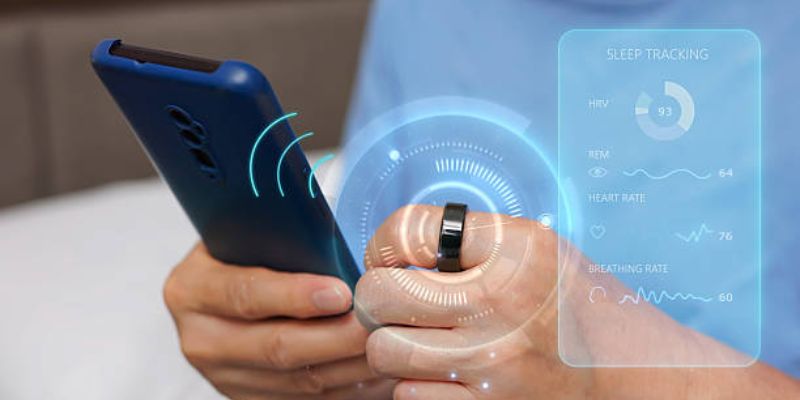
AI-powered health trackers make health feel less confusing. An AI health tracker analyzes heart rate, sleep, and movement and turns the data into easy-to-follow tips. Instead of long reports, users see short notes that guide daily choices without complex medical terms or hard-to-read graphs.
Finding Patterns You Might Miss
These systems also save time and energy. Health data analysis runs quietly on a phone or watch. The device detects trends, such as a rising resting heart rate or a declining sleep quality. Over time, smart wellness devices highlight patterns that support steady habits and healthier routines.
How AI-Powered Health Trackers Collect Your Data
Sensors That Capture Body Signals
Every AI health tracker depends on good wearable sensors. Light-based parts track heart rate. Motion chips count steps and watch direction. Skin temperature sensors follow changes throughout the day. Together, these tools send a steady stream of signals for AI fitness technology to study and interpret.
Cleaning Messy Raw Signals
The first signals from wearable sensors are often messy. Loose straps, sweat, tattoos, and fast arm swings distort readings. The AI health tracker must decide which parts of each signal are useful and which parts are noise before health data analysis can begin and turn the numbers into insights.
How AI Interprets Your Health Data
Step-By-Step Data Analysis
Once signals are cleaned, health data analysis begins. The model groups readings into short time blocks. It checks how heart rate, motion, and sometimes temperature change together. Then it compares these patterns with stored examples built from earlier data on the same user over many days.
Machine Learning Models Behind The Scenes
Most AI fitness technology is trained on large datasets from many people. The models study how different signals link to real actions and sleep stages. Many ideas in these tools draw on broad-spectrum scientific research linking stable breathing and steady heart rhythms with deeper rest.
Getting Better With More Usage
An AI health tracker improves as it sees more of a user’s life. It learns normal heart rate ranges, usual sleep times, and typical routines. As a result of this learning, smart wellness devices become more helpful after a few weeks, and health data analysis can focus on real changes rather than random fluctuations.
Key Metrics AI Health Trackers Track
Heart Rate And Heart Rate Variability
Heart rate is one of the most important signals for any AI health tracker. Wearable sensors track heart rate at rest, during movement, and during recovery. Health data analysis examines how often and how strongly the heart rate changes throughout the day and night.
Sleep Stages And Sleep Quality Scores
When the user is resting, wearable sensors track motion and heart rate. Health data analysis groups these into sleep stages such as light, deep, and REM. AI fitness technology then turns those stages into an easy-to-read sleep score each morning on smart wellness devices.

Activity And Movement Patterns
Wearable sensors measure motion in multiple directions simultaneously. AI fitness technology turns these signals into action labels such as walking, running, or resting. The AI health tracker tallies time spent in each action, and smart wellness devices display steps, distance, and active minutes in simple charts.
How AI Tries to Stay Accurate
Calibrating And Smoothing Signals
To keep results reliable, AI fitness technology checks signals against expected ranges. If heart rate jumps from very low to very high with no motion, the system may treat it as an error. This keeps health data analysis centered on realistic values instead of strange, one-second spikes.
Detecting Unusual Patterns
When signals deviate significantly from normal patterns, the model flags them as unusual. Health data analysis assesses how long the change persists and whether it occurs during rest or effort. Smart wellness devices can then display gentle alerts or notes to help users notice big shifts in sleep, stress, or movement.
Knowing The Limits Of The Data
No AI health tracker is perfect. Dark tattoos, heavy sweat, bright sunlight, and thick clothing all affect wearable sensors. AI fitness technology works best when users wear the device regularly, keep it snug, and read results with common sense rather than treating every small change as medical advice.
Privacy and Security in AI Health Tracking
Where Your Health Data Goes
Depending on settings, data may remain on the device, sync to a phone, or be uploaded to the cloud. Smart wellness devices often compress and bundle readings before sending them. This helps organize long-term health data analysis across weeks and months without filling storage with raw second-by-second signals.
Protecting Sensitive Information
Most platforms protect files with several layers of security. Encrypted storage and locked accounts stand between attackers and private data. These tools align with modern public health guidance on digital record safety while still allowing AI fitness technology to work with the information it needs.
Control Over Sharing And Permissions
Users can choose which apps see their health data. Some connect an AI health tracker to workout services, while others keep everything local. Clear control panels support digital rights that align with global health standards, so wearable sensors and smart wellness devices do not require users to share what they do not want.
Real-World Uses of AI Health Data
Spotting Early Changes In Trends
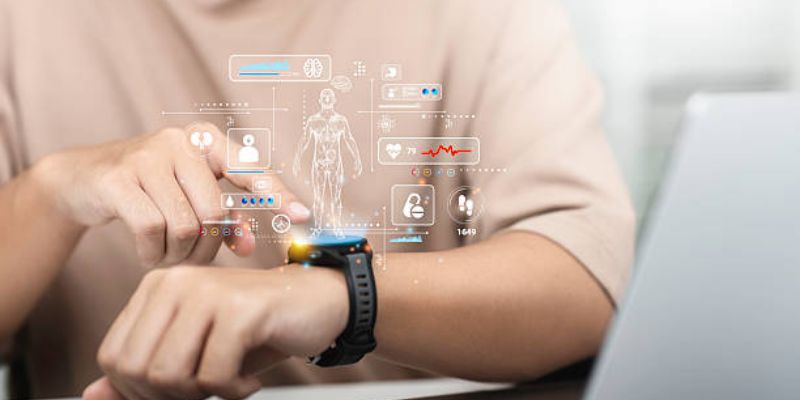
AI fitness technology can detect when resting heart rate slowly rises or when sleep becomes progressively shorter. Health data analysis highlights these patterns across days and weeks. Users may notice that late nights or stressful weeks change their graphs, and an AI health tracker turns those clues into simple visual stories.
Offering Gentle Wellness Tips
Some smart wellness devices suggest going to bed earlier, adding short walks, or taking breaks during long sitting periods. These ideas come from patterns the AI sees in sleep, movement, and stress load. Because wearable sensors collect data in real time, advice can adjust as habits and routines change.
Supporting Different Lifestyles
Office workers may use an AI health tracker to cut long sitting streaks. Students may experience poor sleep quality during exam season. Active users may focus on recovery signs before hard workouts. Across these groups, AI fitness technology and wearable sensors help people see how daily choices shape their body signals and energy levels.
How AI-Powered Health Trackers Help You Understand Your Data
AI-powered health trackers use wearable sensors, AI fitness technology, and health data analysis to turn complex signals into simple stories about the body. An AI health tracker analyzes heart rate, sleep, and movement, then shares clear, friendly insights that most users can read in a few seconds.
As smart wellness devices improve, they will read patterns more carefully, protect privacy with stronger tools, and support people at all stages of life. Used wisely, these systems help users stay more aware, more informed, and more in tune with what the body is trying to say each day.
Sources
Don't Miss
How AI‑Powered Wearables Are Redefining Personalized Health Monitoring

AI Ethics: Should We Be Worried About AI Decision-Making?

10 Free AI Tools That Can Replace Photoshop for Quick Image Editing

15 AI Tools That Help Students Study Faster and Learn Better
How AI Helps Detect Early Cancer Signs: A Clear Look At New Detection Tools